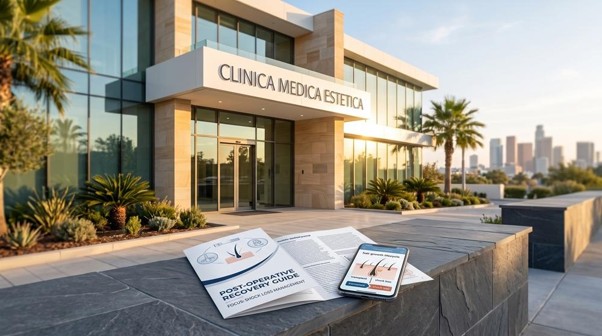
In the rapidly evolving landscape of private healthcare, executive leadership within cosmetic and restorative surgery clinics faces a dual challenge: maintaining strict clinical standards while maximizing patient lifetime value (LTV) and brand advocacy. As the global medical tourism and elective procedure markets expand, clinical outcome quality alone is no longer the sole differentiator for premium practices. Instead, post-operative lifecycle management—specifically during critical recovery windows—has emerged as a primary driver of practice profitability, operational efficiency, and risk mitigation.
Elective procedures such as hair transplantation, facial plastic surgery, and body contouring have fundamentally shifted from transactional medical events to long-term care journeys. Managing patient expectations, physiological recovery, and psychological distress during the post-procedural phase directly correlates with reduced administrative burden, higher referral rates, and optimized patient satisfaction metrics across competitive markets.
The Physiological and Psychological Post-Op Threshold
For healthcare operators and clinical directors, one of the most significant operational drains is handling unscheduled post-operative consultations driven by predictable physiological phenomena. In aesthetic procedures, temporary inflammatory responses, tissue healing, and transient telogen effluvium—commonly known in hair restoration as “shock loss”—frequently trigger severe patient anxiety when proper education is lacking.
According to epidemiological data published by the National Center for Biotechnology Information (NCBI), transient hair shedding is a well-documented physiological response to localized micro-trauma, temporary vascular disruption, and hormonal fluctuations following follicular unit extraction (FUE) or direct hair implantation (DHI). When hair follicles enter a temporary resting phase between weeks two and eight post-surgery, patients who are under-prepared often experience acute psychological stress, leading to high-volume emergency calls, unnecessary clinic visits, and reactive negative online reviews.
Practices that proactively integrate clinical education into their post-op protocols significantly mitigate these operational friction points. Providing structured educational resources—such as the clinical breakdown on shock loss by TurkHairIndex—empowers patients to understand shedding around month two as a natural, expected precursor to robust follicle regeneration rather than a surgical failure. This level of transparency converts potential medical-legal complaints into opportunities for reinforced clinical trust and long-term satisfaction.
The Business Case for Structured Patient Lifecycle Management
From a healthcare management perspective, implementing structured post-operative protocols generates measurable financial and operational returns across three strategic vectors:
1. Reduction of Administrative and Clinical Overhead
Unplanned patient triage consumes valuable clinical time and distracts medical staff from core revenue-generating operations. When a practice implements automated, multi-channel post-op communications (including automated SMS check-ins, medical portal updates, and stage-specific video guides), clinical staff spend significantly less time answering repetitive queries about normal healing milestones. This streamlines clinical workflows and allows medical personnel to focus on patient care and procedural capacity.
2. Safeguarding Digital Reputation and Lowering Acquisition Costs
In the elective healthcare sector, digital reputation directly dictates patient acquisition costs (PAC) and conversion rates. Unprepared patients experiencing temporary aesthetic setbacks during the initial months of recovery are statistically more likely to publish reactive, negative reviews on public forums and social media platforms. By systematically guiding patients through recovery milestones with proactive communication, healthcare providers protect their online brand authority, maintain strong organic review profiles, and preserve acquisition margins.
3. Cross-Selling Coadjutant and Regenerative Therapies
Post-operative care serves as a natural, patient-centric bridge to long-term wellness programs and supplementary clinical treatments. Patients undergoing surgical restoration are prime candidates for ongoing medical management designed to enhance graft survival and protect native hair. A structured follow-up cadence enables clinicians to introduce coadjutant therapies—such as low-level laser therapy (LLLT), platelet-rich plasma (PRP) treatments, mesotherapy, and custom pharmacological regimens—driving recurring, high-margin revenue streams for the practice.
Implementing a High-Touch, Scalable Recovery Framework
To transition from reactive patient care to an automated, high-touch recovery framework, healthcare executives and practice administrators should consider implementing the following operational strategies:
- Standardized Milestone Mapping: Establish a clear timeline detailing physiological healing stages (Days 1–10, Month 1, Month 2, Month 6, Year 1) and align dedicated educational collateral with each recovery milestone.
- Omnichannel Onboarding and Automated Workflows: Utilize integrated digital medical portals and automated email or messaging sequences to deliver timely recovery guides matching the patient’s exact post-op timeline.
- Proactive Visual Triage Systems: Provide patients with visual reference guides that clearly distinguish normal healing symptoms (mild redness, crusting, temporary shedding, minor edema) from clinical complications requiring immediate medical evaluation (infection, flap necrosis, or persistent hematoma).
- Dedicated Follow-Up Milestones: Schedule structured digital check-ins at critical psychological thresholds—particularly at month two when shedding peaks—to offer clinical reassurance before patient anxiety leads to dissatisfaction.
Conclusion
As the private healthcare and medical tourism sectors continue to professionalize, sustainable practice growth will increasingly depend on post-operative operational excellence. By addressing predictable physiological milestones with scientific transparency and structured digital communication, healthcare leaders can significantly reduce administrative overhead, enhance clinical outcomes, protect digital brand equity, and build a resilient, high-margin aesthetic medical enterprise.
Read Also
- Top Trends Shaping the Future of Mental Health Care
 Mental health care is moving fast to meet daily human needs. People want direct care that fits modern life. Clinics respond by creating flexible options that make healing easier to reach. Providers look past rigid habits to give people solid care. From smart tools to body wellness, these changes help people find relief when life… Read more: Top Trends Shaping the Future of Mental Health Care
 - Full-Arch Dental Tourism: Why UK Patients With Severe Bone Loss Are Looking AbroadDental implants have become one of the fastest-growing segments of private dentistry. Within that market, one patient group behaves very differently from the rest: people who have been told they do not have enough upper jawbone for conventional implants. For these patients, the choice is rarely between one clinic and another. It is between a… Read more: Full-Arch Dental Tourism: Why UK Patients With Severe Bone Loss Are Looking Abroad
- Levels of Mental Health Care and When to Seek SupportMental health care can range from occasional outpatient appointments to 24-hour hospital treatment. The appropriate level depends on safety, symptom severity, daily functioning, medical needs, available support, treatment history and personal preferences. A licensed clinician should assess these factors rather than relying on a symptom list alone. Need help now? In the United States, call… Read more: Levels of Mental Health Care and When to Seek Support
- How to Choose a Shilajit Brand Based on the ResearchIn a randomized trial published in the Journal of the International Society of Sports Nutrition in 2019, 63 active men took 250 mg of standardized shilajit, 500 mg, or a placebo every day for eight weeks, and the benefit for strength retention after a fatiguing workout appeared only at 500 mg. For anyone choosing a… Read more: How to Choose a Shilajit Brand Based on the Research
- How to Incorporate Relaxation into Your Busy ScheduleFinding balance when you have a packed daily agenda often feels out of reach. Between work duties, family obligations, and personal projects, personal rest usually gets pushed to the bottom of the list. Small, intentional shifts in daily habits can help restore calm without requiring hours of extra free time. Continue reading to discover everything… Read more: How to Incorporate Relaxation into Your Busy Schedule
- Red Light Therapy for Skin and Wellness: Meet Vital Red Light TherapyModern wellness is not always about complicated treatments or long routines. Many people are now looking for simple, convenient ways to support their skin, recovery, and overall wellness at home. One technology getting more attention is red light therapy. Red light therapy uses specific wavelengths of red and near-infrared light to support the body’s natural… Read more: Red Light Therapy for Skin and Wellness: Meet Vital Red Light Therapy
- Managing Shock Loss After a Hair Transplant: The Financial and Clinical Imperative of Post-Op CareIn the rapidly evolving landscape of private healthcare, executive leadership within cosmetic and restorative surgery clinics faces a dual challenge: maintaining strict clinical standards while maximizing patient lifetime value (LTV) and brand advocacy. As the global medical tourism and elective procedure markets expand, clinical outcome quality alone is no longer the sole differentiator for premium… Read more: Managing Shock Loss After a Hair Transplant: The Financial and Clinical Imperative of Post-Op Care
- Transform Your Skin Health: Premier Gluta IV Therapy in DubaiThis comprehensive guide explores how modern intravenous wellness treatments can help revitalize your complexion, boost immune function, and support overall cellular health. By incorporating modern IV therapy Dubai services into a routine health regimen, individuals can achieve direct nutrient absorption for optimal results. Selecting a customized gluta IV drip Dubai treatment provides targeted antioxidant defense,… Read more: Transform Your Skin Health: Premier Gluta IV Therapy in Dubai